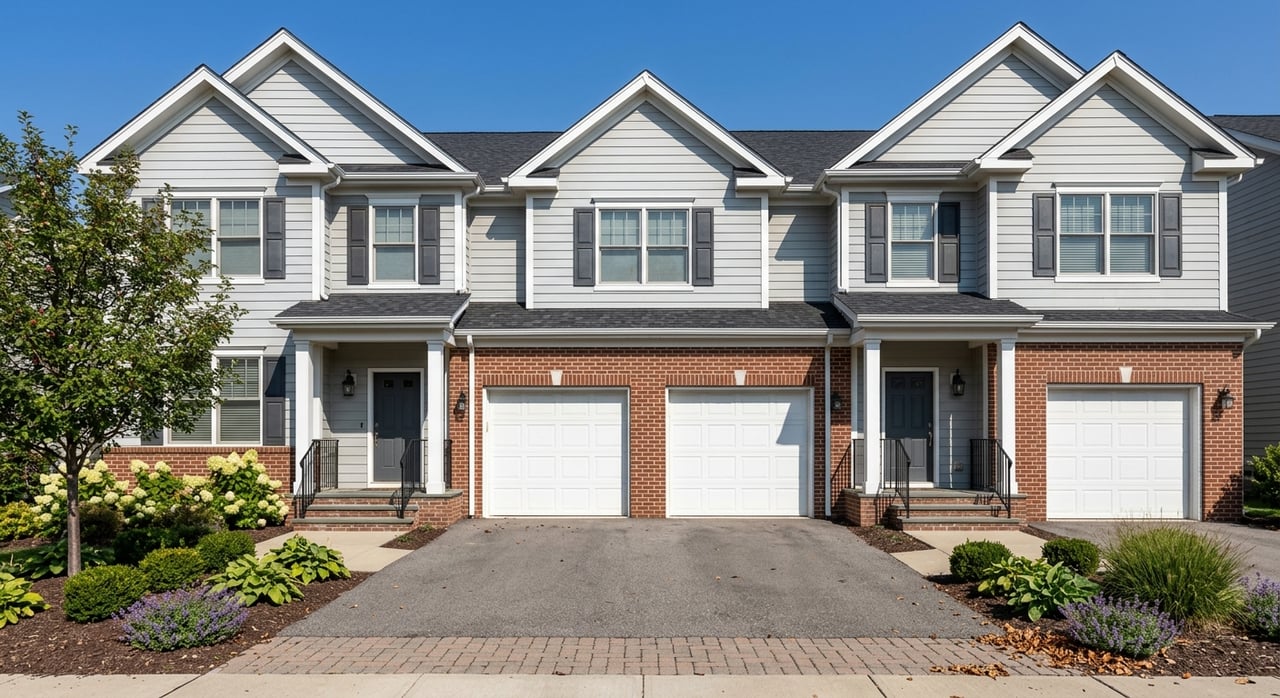
If you like the idea of owning a home without taking care of every exterior chore yourself, condo and townhome living in East Providence may be worth a closer look. For many first-time buyers and downsizers, this style of ownership can simplify day-to-day upkeep, but it also comes with monthly dues, shared rules, and community financial obligations. When you understand how those pieces fit together, it becomes much easier to decide whether this path matches your budget and lifestyle. Let’s dive in.
Why condos and townhomes appeal
Condo and townhome living often attracts buyers who want a lower-maintenance ownership experience than a detached house. In many communities, the association handles shared property tasks like landscaping, roof-related common maintenance, and upkeep of common areas. That can free up your time and reduce the number of large exterior responsibilities you manage on your own.
For downsizers, that simplicity can feel like a major benefit. For first-time buyers, it can make homeownership feel more approachable. Still, the convenience is only one side of the decision, because you are also joining a shared ownership structure with rules, fees, and financial obligations.
What ownership usually means
How condos are structured
A condo is an individually owned unit within a larger building or community. Shared spaces and facilities are owned collectively and are typically managed by a condo association or HOA. That usually means your ownership is tied not only to your unit, but also to a share of common property and common expenses.
Condo communities can take different forms. You may see high-rise or mid-rise buildings with interior hallways, garden-style buildings with exterior entrances, or even multistory townhome-style units that are legally part of a condo association.
How townhomes differ
A townhome is generally a two- or three-level home attached to a similar home by a shared wall. Because of that layout, many buyers feel a townhome lives more like a house than a traditional apartment-style condo. In some cases, though, a townhome can still be part of a condo community with association rules and dues.
That is why the layout alone does not tell the full story. Two homes may look similar from the outside but come with very different ownership terms depending on the legal structure.
Why the legal details matter
In Rhode Island, condominium law requires the declaration to assign each unit’s share of common elements, voting rights, and common-expense liability. The law also gives the association a lien for unpaid assessments and allows foreclosure in cases of nonpayment. In plain terms, your monthly dues are not optional extras. They are part of the ownership obligation.
This is one of the biggest reasons condo and townhome buyers need to look beyond finishes and floor plans. The association’s rules, budget, and reserve planning can affect your costs and your ownership experience just as much as the home itself.
Understand the full monthly cost
When you compare a condo or townhome to a detached home in East Providence, the asking price is only part of the picture. Your real monthly cost may include mortgage principal and interest, property taxes, insurance, utilities, HOA or condo dues, and possible maintenance or assessment exposure. Looking at only one number can make a home seem more affordable than it really feels month to month.
East Providence tax context
For FY2026, East Providence’s residential real estate tax rate is $13.07 per $1,000 of assessed value. Using that rate, a home assessed at $300,000 would owe about $3,921 per year before exemptions, or roughly $327 per month before HOA dues are added.
That matters because a condo or townhome with a manageable purchase price can still stretch your budget once taxes and dues are layered in. If you are comparing options, it helps to run the numbers on the full monthly carrying cost instead of focusing only on the sale price.
What dues may cover
Association dues are usually paid directly to the HOA or condo association, not folded into your mortgage payment. Fees can vary widely, from a few hundred dollars per month to more than one thousand dollars per month, depending on the community.
Those dues may cover items such as:
- Exterior repairs
- Common-area maintenance
- Water
- Sewer
- Trash service
- Recreational amenities
- Insurance for common areas
- Reserve contributions for future repairs
A higher monthly fee is not automatically bad, and a lower fee is not automatically better. The key question is what the fee includes and whether the association is saving enough for future repairs.
Special assessments can change the math
Some associations also charge special assessments for one-time major expenses. These may relate to capital improvements, structural repairs, replacement of common systems, or damage from a disaster.
That is why it is important to ask not just what the current dues are, but whether additional costs may be coming. A home that feels affordable today may look very different if a large assessment is on the horizon.
Maintenance is easier, not nonexistent
One of the biggest draws of condo and townhome living is the shift in maintenance responsibility. In many communities, the association manages common areas, landscaping, driveways, shared structures, and sometimes roofs. That can make ownership feel much more manageable if you do not want to handle every exterior project yourself.
Still, lower maintenance does not mean no maintenance. You will usually remain responsible for the interior of your unit, your personal systems and fixtures, and any repairs that fall inside your ownership boundaries.
What the association often handles
Association boards typically manage common areas and set community standards, rules, and fee structures. Community documents such as bylaws or CC&Rs often explain what owners can and cannot change, including some exterior modifications, structural changes, landscaping decisions, or paint choices.
This more regulated setup can be a plus if you like predictable upkeep across the community. It can be a frustration if you want complete freedom to change exterior features without approval.
What you still handle as the owner
In a detached single-family home, you are generally responsible for everything from routine fixes to major repairs like roof replacement. In a condo or townhome, some of those larger shared responsibilities may shift to the association, but you are still responsible for your own unit and your share of community costs.
That trade-off is often the heart of the decision. You may gain convenience and shared maintenance, but you also give up some control and take on ongoing dues.
Insurance still deserves close attention
Even if the association carries a master insurance policy for common areas, you will generally still need your own insurance policy for the unit. It is also important to confirm whether the master policy covers the interior of the unit or only common elements.
If a property is in a FEMA Special Flood Hazard Area, flood insurance may also be required. Standard homeowners insurance typically does not cover flood damage. That makes insurance another important budget item to review early, especially when comparing different buildings or locations.
Shared spaces can add convenience
Common areas may include features like garages, community rooms, laundry rooms, balconies or patios, parking lots, driveways, walkways, play areas, and trash-collection areas. Some communities also include recreational amenities supported by association fees.
For many buyers, these shared spaces are part of the appeal. You may get access to useful features without having to maintain all of them yourself. At the same time, those amenities are one reason dues can vary significantly from one community to another.
Questions to ask before you make an offer
Once you find a condo or townhome you like in East Providence, the next step is document review. This part matters just as much as the showing, because the association’s finances and rules can directly affect your costs, flexibility, and financing.
Here are some smart questions to ask:
- What does the HOA or condo fee include?
- Is parking included, assigned, or limited?
- How much money is in the reserve fund?
- Are any special assessments planned or under discussion?
- What modifications are allowed inside or outside the unit?
- Is the community renter-friendly?
- What does the master insurance policy cover?
- Does the community have any major lawsuits, debt, or unresolved structural issues?
- Have required inspections been completed?
Because buyers often have limited time to review condo documents after an offer is accepted, it helps to move through this step carefully and quickly. Having experienced guidance can make that review less stressful.
Financing can depend on the community
A condo’s approval process is not always just about you as the borrower. Lenders may also evaluate whether the condo project is considered warrantable, meaning it meets Fannie Mae and Freddie Mac guidelines.
That means the association’s finances, condition, and legal status can affect whether financing moves forward smoothly. So even if a unit looks like a great fit, the project itself can still influence your loan options.
How to compare East Providence options
If you are deciding between a condo, a townhome, and a detached home in East Providence, try to compare them on the same checklist. This keeps the decision grounded in your real monthly cost and the day-to-day ownership experience.
Use a side-by-side review of:
- Purchase price
- Estimated monthly mortgage payment
- East Providence property taxes
- HOA or condo dues
- Insurance needs
- Utility costs
- Maintenance responsibility
- Reserve strength and assessment risk
- Rules on changes, parking, or rentals
This kind of comparison often brings clarity fast. A lower-maintenance option may be the right fit for your schedule and comfort level, while a detached home may suit you better if you want more control and are comfortable taking on more upkeep.
The bottom line on condo and townhome living
Condo and townhome living in East Providence can be a smart fit if you want simpler exterior upkeep and are comfortable with shared rules and shared costs. The best choice usually comes down to your budget, your tolerance for maintenance, and how much flexibility you want in ownership.
If you take time to review dues, taxes, insurance, reserve funding, and community rules before making an offer, you will be in a much stronger position to choose a home that fits both your finances and your lifestyle. If you want calm, local guidance as you compare options in East Providence, reach out to Dave Silva.
FAQs
What is the difference between a condo and a townhome in East Providence?
- A condo is usually an individually owned unit within a larger community with shared common areas, while a townhome is typically a multi-level home attached by a shared wall, though some townhomes are also legally part of condo communities.
What do HOA or condo fees usually cover in East Providence communities?
- Fees may cover exterior repairs, common-area maintenance, water, sewer, trash service, some insurance, amenities, and reserve contributions, but coverage varies by community.
How much are East Providence property taxes for a condo or townhome?
- For FY2026, the residential real estate tax rate in East Providence is $13.07 per $1,000 of assessed value, so a home assessed at $300,000 would owe about $3,921 per year before exemptions.
Do you still need insurance for an East Providence condo?
- Yes. Even if the association has a master policy for common areas, you generally still need your own insurance for the unit, and flood insurance may be required in certain flood hazard areas.
Can HOA dues affect ownership risk in an East Providence condo community?
- Yes. Rhode Island law allows associations to place a lien for unpaid assessments and pursue foreclosure in cases of nonpayment, which is why dues should be treated as a required ownership cost.
What should you review before buying a condo or townhome in East Providence?
- You should review what the fee includes, reserve funding, special assessments, parking, insurance coverage, allowed modifications, rental rules, inspections, and any major legal or structural issues tied to the community.