Thinking about selling your Barrington home and wondering how to nail the price and prep without wasting time or money? You’re not alone. In a market that moves fast, a smart plan gives you confidence and better results. In this guide, you’ll learn how to set a data-backed list price, prepare and stage efficiently, and launch with a plan to attract strong offers. Let’s dive in.
Know Barrington’s market right now
Barrington sits in a high-price, relatively quick-moving segment. Recent data shows a typical home value near the mid 700s to low 800s. Zillow’s ZHVI placed Barrington around $750,752 as of Jan 31, 2026. Redfin reported a median sale price of $831,000 for Jan 2026, and Realtor.com showed a similar median listing figure around $749,900. Different sources use different methods and time windows, so your list price should start with recent MLS comps.
Homes have also been moving quickly. In January 2026, the median days on market hovered in the mid-teens, which supports a seller-leaning environment when you price correctly. Statewide reports show prices rising through 2024–2025 with inventory still historically low, and many Rhode Island buyers coming from out of state. You can review these broader trends in the Rhode Island Association of REALTORS press releases for helpful context at the state level (statewide market updates).
For family-focused buyers, Barrington Public Schools are a draw. The district highlights high state and national rankings and Blue Ribbon recognition, which can support demand for well-located homes. You can learn more on the district’s official site (Barrington Public Schools). Keep your pricing rooted in local MLS comps, and choose comparable sales that align on location, condition, and school zone where relevant.
Set your price with a Barrington CMA
Build the right comp set
Start with a focused Comparative Market Analysis. Your agent will pull 3 to 6 recent closed sales plus current competing listings that match your home on property type, beds and baths, finished square footage, lot size, age and condition, and location factors like proximity to water or neighborhood centers. If turnover is thin at your price point, extend the look-back to 6–12 months and explain any time adjustments. For a helpful overview, see this guide on how agents select comps (how agents pick comps).
Make smart adjustments
No two homes are identical. Your CMA should adjust for condition, finished area, bedroom and bathroom counts, major systems like roof and HVAC, and special features such as water views, a garage, or outdoor living. These adjustments translate into a low, likely, and high value range that is defensible with data. If truly similar comps are scarce, consider a paid appraisal to anchor your price.
Use speed data to set the list number
Once you have a market range, layer in current market speed. If days on market are short and buyers are active, you can price near the top of your range or slightly below to drive early traffic. If signs point to cooling, aim for the midpoint to avoid sitting. The goal is to spark strong activity in the first 7 to 14 days while protecting your net proceeds.
Decide on a strategy and rules
Pick a pricing strategy that fits the evidence:
- Price slightly under a key band to create urgency and invite multiple offers when inventory is tight.
- Price at market to attract buyers who value accuracy and avoid confusion.
- Price above market only if your home has one-of-a-kind features that comps do not capture.
Establish decision rules before you list. Agree to review activity at 7 to 14 days. If you see low showings or weak feedback, adjust price or reposition the marketing according to a pre-set plan. Writing these rules down helps you stay objective (set decision triggers).
Prepare your Barrington home
Prioritized checklist
Work from highest priority to lowest so your time and budget go where they matter most:
- Safety and mechanical: Fix leaks, electrical hazards, or failing systems first. These can kill deals or appraisals.
- Permits and paperwork: Gather receipts and confirm permits for past work. Resolve open permits before listing when possible.
- Basic repairs and deep clean: Fix small items like drips, sticky doors, damaged flooring, and burned bulbs. Apply neutral paint where needed and declutter.
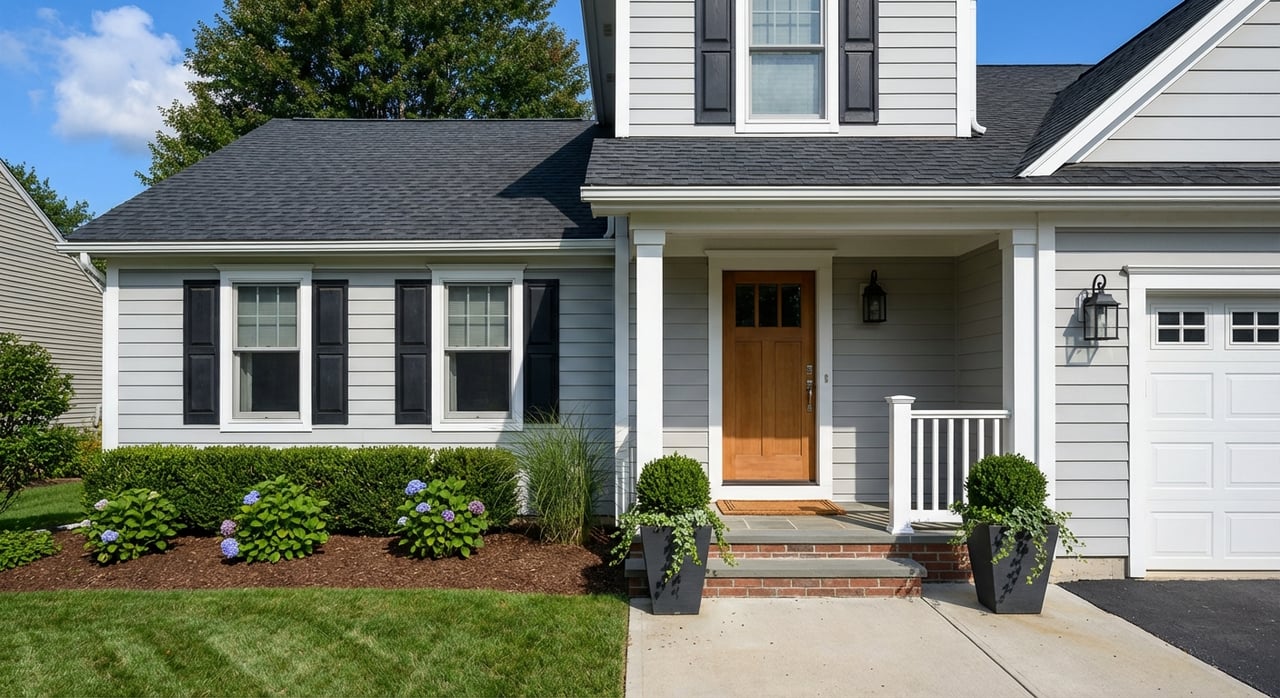
- Curb appeal: Mow and trim, power-wash siding, refresh mulch, and touch up the front entry.
- Staging and pro photos: Focus on the rooms that sell and invest in top-tier photography for your online launch. For a step-by-step prep overview, see this guide (pre-list prep steps).
Staging that moves the needle
Staging helps buyers picture how they will live in your home. The highest-impact rooms are the living room, primary bedroom, and kitchen. The National Association of REALTORS found that staging often reduces time on market, and 29% of agents reported staged homes saw 1 to 10 percent higher offers in recent survey data (NAR staging insights).
You have options. A consultation or partial staging that uses your furniture is budget-friendly. Whole-home staging for a vacant property often runs in the low thousands, with common medians between about $1,500 and $4,000 depending on scope (staging cost overview). Prioritize the rooms buyers care about most.
High ROI makeovers to consider
National Cost vs Value data for 2025 points to a few standout projects:
- Garage-door replacement: top national ROI with an average cost recoup of about 268%.
- Steel entry door replacement: very high recoup, around 216%.
- Manufactured stone veneer or targeted exterior cladding: strong ROI in many markets.
- Minor midrange kitchen remodel: about 113% recoup nationally.
Use these as guides and double-check with local contractor bids and Barrington market ceilings before you commit. ROI varies by neighborhood and total project cost (Cost vs Value 2025).
Consider a pre-listing inspection
A pre-list inspection is optional but helpful for older homes or when you want to avoid last-minute surprises. It typically costs a few hundred dollars, takes 2 to 4 hours, and gives you a punch list to fix or disclose before showings. It can streamline negotiations and lower the chance of a deal falling apart later (pre-list pros and process).
Timelines you can follow
- Quick prep: 1 to 2 weeks for light repairs, declutter, and professional photos.
- Moderate prep: 2 to 4 weeks for minor repairs, paint, staging help, and landscaping.
- Larger projects: 4 to 12+ weeks for contractor work that may need permits, such as kitchen or bath updates.
Start with low-cost, high-ROI items first so your listing photos shine even if bigger projects run long.
Launch strong and manage offers
Marketing essentials
Your first impression online sets the tone:
- Professional photography with a bright, clear exterior lead photo.
- Complete, accurate MLS details, including room counts, square footage, taxes, and a highlight reel of recent upgrades.
- Virtual tour or a measured floor plan for higher-end or family-targeted listings.
- A clean disclosure packet with receipts, permits, and any pre-list inspection report (launch checklist reference).
How to compare offers
Price is not the only lever. Compare net proceeds after concessions, financing strength, contingencies, and timeline. A slightly lower cash offer with limited contingencies can beat a higher financed offer with several outs. Use an offer comparison grid and the decision rules you set earlier to stay objective.
If activity is slow
If showings and feedback are light after 7 to 14 days, follow your plan. Adjust price, boost marketing, or offer targeted incentives like a closing cost credit. Timely action protects your bottom line by avoiding long days on market and larger discounts later (why timing matters).
Typical closing timelines
Most financed purchases close in about 30 to 45 days after you accept an offer. Cash deals can close faster, subject to title and paperwork. Build your moving plans around the buyer’s deadlines and your own availability (contract-to-close basics).
Local permits and records in Barrington
Before you list, gather permit documentation and final inspection sign-offs for any work that required approval. The Town of Barrington site links to Building, Planning, and the assessor database, which helps you verify details and find historic permits. Confirm what needed a permit before starting any new work, and organize receipts so buyers feel confident about your home’s history (Town of Barrington resources).
Selling in Barrington can move quickly when you price with a strong CMA and present a clean, well-prepared home. If you want calm, step-by-step guidance tailored to your street and price band, connect with Dave Silva for a free, local home valuation and a customized prep plan.
FAQs
What is a fair listing price for a Barrington home in 2026?
- Use an MLS-based CMA as your primary guide; recent snapshots show typical values in the mid 700s to low 800s, but your exact price depends on location, condition, size, and features.
How fast are homes selling in Barrington right now?
- Recent data shows median days on market around the mid-teens, so a well-priced, well-presented home can see strong early activity in the first two weeks.
Which pre-list updates deliver the best ROI?
- National 2025 Cost vs Value data points to garage-door and steel entry-door replacements, targeted exterior cladding, and minor midrange kitchen refreshes as top performers, with ROI varying by market.
Should I stage if I still live in the home?
- Yes, focus on high-impact rooms like the living room, primary bedroom, and kitchen; partial staging or a consultation can be cost-effective and still improve results.
Do I need a pre-listing inspection in Rhode Island?
- It’s optional but helpful for older homes or if you want to fix or disclose items up front; inspections usually cost a few hundred dollars and take a few hours.
When should I reduce price if I’m not getting showings?
- Review activity at 7 to 14 days per your pre-set plan; if showings or feedback are weak, make a timely price or positioning change to avoid extended days on market.
What paperwork should I gather before listing in Barrington?
- Collect permits and final approvals for past work, system and renovation receipts, utility info, property tax details, and any pre-list inspection report to build buyer confidence.