Love the idea of morning coffee with bay breezes and a quick drive to Providence? If you are drawn to the water, Swansea offers a relaxed shoreline lifestyle with real New England character. At the same time, buying near the bay comes with questions about tides, flood zones, permits, and upkeep. In this guide, you will learn how Swansea’s waterfront neighborhoods live day to day, what to check before you buy, and how to plan for long‑term comfort and value. Let’s dive in.
Swansea’s waterfront vibe
Swansea sits where the Taunton River meets Mount Hope Bay, so many homes enjoy river or bay influence even if they are not directly on the shoreline. You will find classic shingle cottages, Cape Cod–style homes, and bungalows near the beach areas, with some larger two‑story homes on premium lots. Many properties are designed around the view with wide porches, big windows, and salt‑tolerant exterior materials. Commute access to Providence is straightforward, which adds to the appeal.
Ocean Grove and Town Beach
Ocean Grove is home to Swansea Town Beach and small cottage streets that feel close to the water. The town recently invested in a revitalized bath house, lifeguard facilities, and shoreline improvements as part of a master plan for the beach area. You can explore that work in the town’s Swansea Town Beach master plan.
South Swansea: Gardners Neck, Bay Point, and Leeside
South Swansea mixes older cottages with deeded beach or club neighborhoods. Streets on Gardners Neck and around Bay Point are known for small‑lot homes that put you close to the water’s edge. Buyers often ask about beach access, club membership, or mooring rights in these pockets, so plan to verify those details in writing during your purchase.
Cole and Lees rivers
Along the Cole and Lees rivers, you will find clusters of homes with docks and small marinas. Some properties have private launching areas, while others rely on nearby marinas or public ramps in neighboring towns. If a private dock matters to you, confirm its permit status and condition during inspections.
Touisset and the marsh
Toward the Touisset area, conserved salt marsh and trails add a peaceful, nature‑forward feel. It is a popular spot for birding and quiet paddles, with views that change with the tide.
Boating, beaches, and nature access
Swansea Town Beach is a central summertime hub for Ocean Grove residents, with seasonal lifeguards and easy access to the bay shoreline. The town’s stewardship keeps this small but beloved beach active and inviting in the warm months.
For boaters, the Swansea & Cole River Marina on Calef Avenue is a convenient full‑service option for the Cole River and Mount Hope Bay. Check Swansea & Cole River Marina for slip and storage details, and confirm seasonal availability with staff.
You will also find public ramps and marinas in nearby Somerset, Fall River, and Bristol, which helps if you prefer trailering or need transient dockage. For weekend outings, regional parks like Colt State Park in Bristol offer shoreline paths, picnicking, and bay views. See more ideas on regional walking and waterfront parks.
Tides are part of daily life near the water. Whether you plan to keep a small boat, launch a kayak, or manage a dock, you will want to track high and low tides and pay attention to storm‑tide forecasts. NOAA’s station for Fall River on Mount Hope Bay provides reliable readings and historical data. Check NOAA’s Mount Hope Bay tide benchmarks to understand typical ranges and storm events.
Flood zones, insurance, and resilience
Swansea identifies FEMA Flood Insurance Rate Map zones, such as A, AE, and VE, as part of the town’s Floodplain District in local zoning. If a home sits in a Special Flood Hazard Area, lenders who follow federal rules often require flood insurance as a loan condition. The town’s zoning language also points to the specific FEMA panels used for local review, which is useful when you confirm a parcel’s status. You can review the Floodplain District references in the Town of Swansea zoning code.
When you evaluate a home, ask for any Elevation Certificate on file. This document, along with the home’s foundation type and distance to water, can influence policy pricing. Many buyers also compare private flood options with NFIP policies to see what fits their needs for dwelling and contents coverage.
For long‑term planning, the state’s coastal resilience analysis highlights Mount Hope Bay and the Taunton watershed, which include Swansea, as areas with near‑ and long‑term exposure to tidal flooding and stormwater interactions. Reviewing these insights can help you think about upgrades and future adaptation. Explore the state’s ResilientCoasts plan for the regional context.
Permits, moorings, and near‑shore work
Waterfront improvements often involve multiple approvals. Projects like docks, piers, seawalls, dredging, or shore stabilization typically require local Conservation Commission review under the Wetlands Protection Act. Work in tidelands may also need a Chapter 91 waterways license, and some activities call for MassDEP water quality certification or a US Army Corps permit. To understand how these layers fit together, see this overview of permitting pathways and public review from a Massachusetts filing example on Scribd.
On the water, the Swansea harbormaster and shellfish warden manage moorings, channel markers, and seasonal activities. The town’s annual report offers a good window into how these functions operate and whom to contact. Review the latest Swansea Annual Report for department updates and contact info.
Owning near the bay: maintenance realities
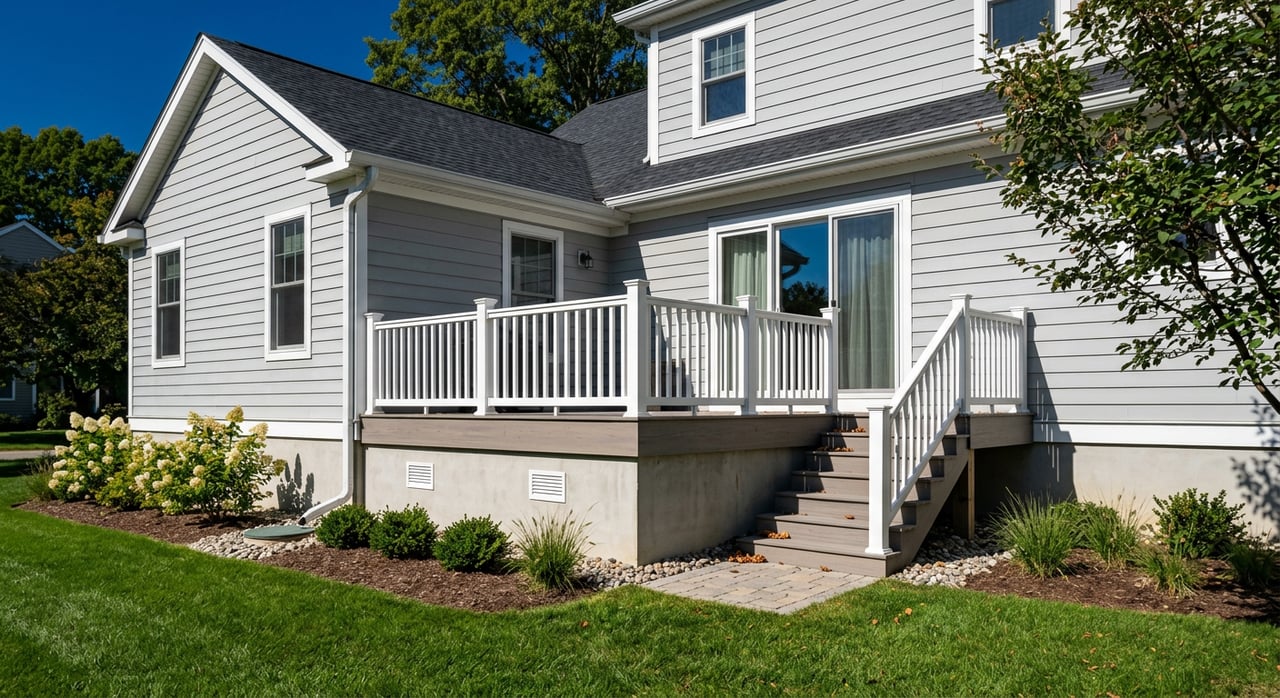
Salt air is beautiful, and it is hard on materials. Expect more frequent exterior painting or siding work, and use stainless or marine‑grade fasteners when you update decks or railings. Plan extra checkups for HVAC, irrigation, and any dock or bulkhead components. If you are renovating, ask contractors about resilient construction details that perform better in coastal conditions. State planning resources on resilient shoreline design can help you frame the conversation with your builder.
Quick buyer checklist for Swansea waterfront homes
Use this short list as you evaluate a property. Confirm items early so you are not surprised later in the process.
- Flood zone and lender requirements. Look up the parcel on the appropriate FEMA panel and ask your lender whether flood insurance will be required at closing. Start with Swansea’s FEMA FIRM panel reference.
- Elevation Certificate. Request any existing Elevation Certificate from the seller, or plan to order a survey if needed. Cross‑check floodplain references in the Town zoning code so you know which FEMA panels apply.
- Tides and dock use. If a dock or float is part of the property, review tidal ranges and storm‑tide history for planning and safety. NOAA’s Mount Hope Bay tide station offers reliable data.
- Permits and shoreline structures. Ask for documentation and dates for any docks, seawalls, or fills. If you need new work, speak with the Conservation Commission first and review multi‑agency permitting basics in this Massachusetts permitting overview.
- Moorings, shellfish, and local rules. Contact the harbormaster for mooring policies and seasonal timing. Find department contacts and summaries in the Swansea Annual Report.
Choose your spot with confidence
Living near the water in Swansea can be simple and rewarding when you balance the lifestyle with a little homework. If you confirm flood status early, understand tides, and verify permits and access rights, you can enjoy beach days, easy boating, and peaceful marsh views with fewer surprises. If you are starting your search or weighing a sale, reach out for calm, local guidance. Connect with Dave Silva to talk through neighborhoods, timing, and a step‑by‑step plan.
FAQs
What parts of Swansea offer public beach access?
- Swansea Town Beach in Ocean Grove is the primary public beach, supported by a town master plan and seasonal operations.
How do tides affect a Swansea waterfront home?
- Tides drive daily water levels for docks and launching, and storm‑tide events can influence flood risk. NOAA’s local station helps you plan around both.
Do I need flood insurance to buy near the water in Swansea?
- If a home is in a FEMA Special Flood Hazard Area, many lenders require flood insurance. Check the FEMA panel and ask your lender early in the process.
What permits are needed for a new dock or seawall?
- Most near‑shore projects need Conservation Commission approval, and some also require state Chapter 91, MassDEP, or US Army Corps permits.
Where can I keep a boat if my property has no dock?
- Consider the Swansea & Cole River Marina for slips and storage, and look at public ramps or marinas in nearby Somerset, Fall River, and Bristol for access.