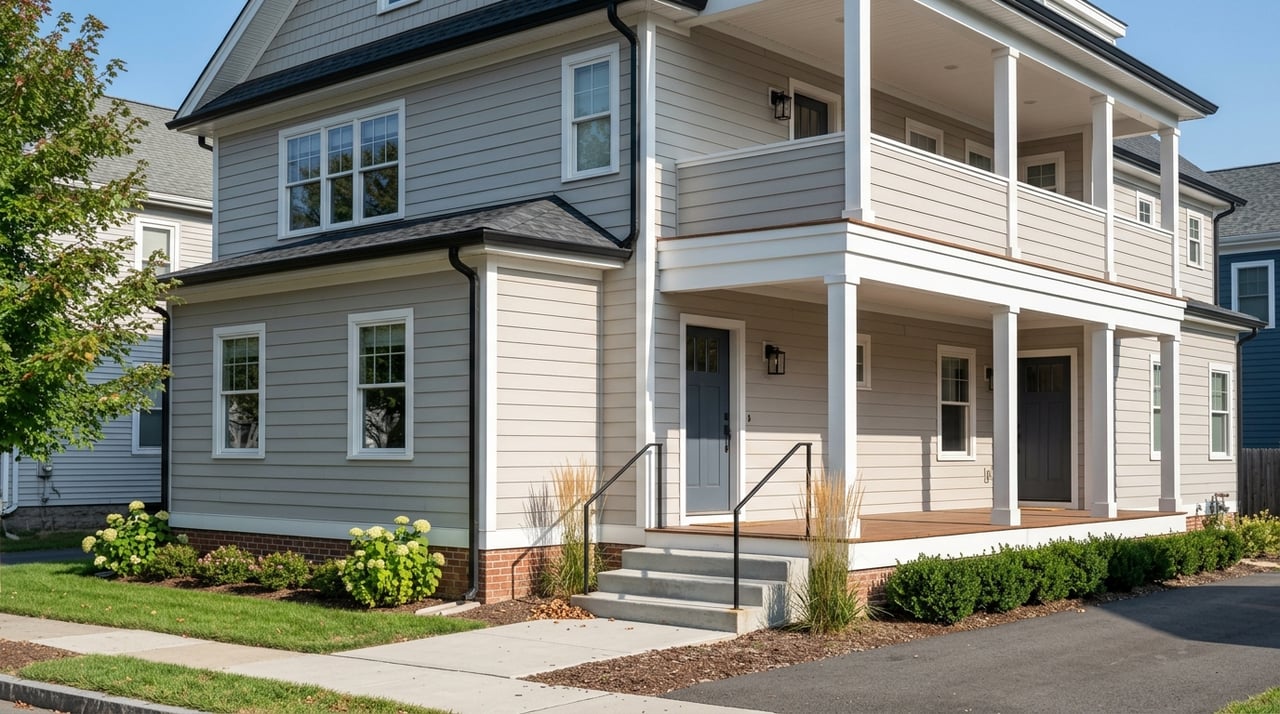
Thinking about selling your East Providence multi-family? The quickest way to lose buyer confidence is to treat it like a simple house sale instead of an income property with rules, records, and tenant logistics attached. If you want a smoother listing, stronger buyer interest, and fewer surprises during inspections and due diligence, preparation matters. Let’s dive in.
Start With Compliance First
Before you worry about photos or pricing, make sure your building file is in order. In East Providence, the Building Inspection Division handles building, plumbing, mechanical, and electrical permits, zoning administration, and minimum-housing matters. Since the city requires permits for most improvements, it is smart to review permit history and check for any open code issues before your property goes on the market.
This step matters because buyers are not just looking at appearance. They are also looking for signs that the property has been maintained properly and that past work was handled the right way. A clean compliance file can help reduce delays once a serious buyer starts asking questions.
Rhode Island’s Property Maintenance Code also sets minimum maintenance standards for existing buildings. That means deferred maintenance can become a bigger issue than many sellers expect. Peeling surfaces, damaged railings, leaks, or worn common areas can raise concerns quickly during inspections.
Review Rental Registry and Lead Records
If your multi-family rents one or more units, Rhode Island requires rental registration with the Rhode Island Department of Health. New owners must register within 30 days of acquiring or leasing the property, and annual re-registration is due by October 1. For many sellers, that means buyers will want to confirm the property’s registration status as part of their review.
Lead compliance is just as important for pre-1978 properties. Rhode Island says most homes in the state were built before 1978 and are likely to have lead-based paint, so older multi-family homes should be prepared with a lead-compliance file, not just a listing packet. If the property is a pre-1978 rental, it needs a valid lead certificate, and those certificates are good for two years.
If you plan to do prep work that disturbs paint, make sure the work follows Rhode Island’s lead-safe renovation rules. Regulated work must be handled by licensed Lead Renovation Firms. This is one area where cutting corners can create avoidable problems.
Check Safety Items Before Showings
Life-safety details deserve early attention. Before title transfers, occupied residential properties must have smoke and carbon-monoxide alarms installed to code. Rhode Island fire code also includes rules on placement and, in some building setups, interconnection requirements in common areas and dwelling configurations.
Do not wait until the last minute to test these devices. Buyers, inspectors, and lenders will care about whether alarms are present, working, and located correctly. A simple safety check before showings can help you avoid a rushed repair later.
Handle Tenant Communication Carefully
Selling an occupied multi-family takes more coordination than selling a vacant property. Rhode Island law allows a landlord to enter a unit to inspect, repair, or show it to prospective buyers, but in most cases you must give at least two days’ notice and enter at reasonable times unless there is an emergency or the tenant has been absent for more than seven days.
Just because access is allowed does not mean the process should feel disruptive. The state handbook stresses reasonableness and discourages entry that is annoying or inconvenient. In practice, sellers often get better cooperation when they use a calm, written notice system, offer predictable showing windows, and keep one clear point of contact.
This helps protect the sale process and your relationship with your tenants. It also creates a more professional experience for buyers, who are more comfortable when access is organized and the property feels well managed.
Keep Everything in Writing
Written communication is your friend during a multi-family sale. Keep copies of access notices, repair notices, and tenant replies. If any question comes up during the listing period, organized documentation can help show that the process has been handled reasonably and consistently.
If you are considering rent changes before listing, be especially careful. Rhode Island requires written notice of 60 days for tenants age 62 and under and 120 days for tenants over 62. Fixed-term leases generally cannot be increased during the lease term unless the lease allows it.
Repair What Buyers Will Notice Fast
Multi-family buyers and lenders tend to look at the property through a practical lens. Underwriting reviews often focus on frontage, signage, interiors, major systems, deferred maintenance, life-safety items, and any extraordinary repair needs. In other words, obvious problems rarely stay hidden for long.
That means you should walk the property like an inspector would. Look for leaks, peeling paint, broken locks, loose railings, worn flooring, dirty common areas, and aging mechanical systems. These items can shape a buyer’s opinion before they even get to the numbers.
Rhode Island landlords are also required to keep common areas clean and safe and maintain electrical, plumbing, sanitary, heating, ventilation, air-conditioning, and other supplied systems. They must also provide trash removal, running water, a reasonable amount of hot water, and heat that can reach at least 68 degrees during heating season unless an exception applies. If your building falls short in these areas, address those issues before marketing begins.
Focus on Repairs With Proof
If you have completed important capital improvements, gather the details now. Buyers and lenders may pay attention to capital items completed in the prior 24 months, including whether work done in the prior 12 months was reflected in value. Having the scope of work, completion date, and actual cost ready can make your property easier to evaluate.
This can include roof work, heating system upgrades, electrical improvements, exterior repairs, or major unit updates. The key is not just doing the work. It is being ready to prove what was done and when.
Build a Strong Due-Diligence Package
A well-prepared due-diligence package can make your East Providence multi-family stand out. Sophisticated buyers and lenders often expect documents such as a current certified rent roll, property operating statements, zoning information, property condition reports, environmental reviews, and other building-related records.
Even when not every document is required upfront, having your core records organized sends the right message. It shows that the income is trackable, the building has been managed responsibly, and the sale is less likely to get bogged down by missing paperwork.
A practical seller package often includes:
- Current leases
- A current rent roll
- Operating statements
- Repair and maintenance history
- Capital improvement receipts
- Permit records
- Rental registry records
- Lead certificates or related lead records
- Any open violation notices
Operating statements should also make sense alongside actual occupancy. Buyers and lenders often compare income records to the most recent rent roll, so consistency matters. If the numbers are unclear or incomplete, buyer confidence can drop fast.
Be Ready for Title and Record Questions
Some issues do not show up until a buyer gets serious. East Providence’s City Clerk maintains land evidence records and permit-related information, which may be reviewed to verify recorded mortgages, liens, and transactions. That is one more reason to look at your records early instead of waiting for a closing attorney or buyer to uncover something late in the process.
For many multi-family buyers, the core questions are simple. Can they trust the income? Can the property be managed without surprise capital needs? Is the compliance and legal file clean? The more clearly you can answer those questions, the stronger your position becomes.
Think Like a Buyer and a Lender
When you prepare a multi-family for sale, you are not only selling units and square footage. You are selling the building’s condition, its income story, and its paper trail. A buyer may love the location and layout, but if the records are messy or the maintenance feels deferred, the deal can become harder than it needs to be.
The best results usually come when you prepare the property as both a home and an asset. That means calm tenant communication, visible upkeep, and organized records that support the value you are asking the market to recognize.
If you are getting ready to sell an East Providence multi-family and want a steady plan for pricing, preparation, and marketing, Dave Silva can help you take the next step with clear, local guidance.
FAQs
What should you fix before selling an East Providence multi-family?
- Focus first on deferred maintenance, life-safety items, common-area condition, major systems, leaks, peeling paint, broken locks, loose railings, and anything that may raise questions under Rhode Island property maintenance standards.
Do East Providence multi-family sellers need permit records?
- Yes. Since East Providence requires permits for most improvements and the Building Inspection Division oversees permit-related matters, it is wise to review permit history and check for open code issues before listing.
Does a Rhode Island multi-family need rental registration before sale?
- If the property rents one or more units, Rhode Island requires rental registration with the Rhode Island Department of Health, and buyers may want to confirm that status during due diligence.
Do pre-1978 East Providence multi-family homes need lead documents?
- Yes. Pre-1978 rental properties need a valid lead certificate, and many buyers will expect lead-related records as part of the property file.
How much notice do tenants need for showings in Rhode Island?
- In most cases, Rhode Island law requires at least two days’ notice for entry to inspect, repair, or show a unit to prospective purchasers, with entry at reasonable times unless an exception applies.
What documents help sell an East Providence multi-family faster?
- A strong seller package often includes leases, a current rent roll, operating statements, repair history, capital improvement receipts, permit records, rental registry records, lead records, and any open violation notices.